How Elephants Talk Across Long Distances: Infrasound and Ground Vibrations
Elephants make deep rumbles at the edge of human hearing, and some of that energy also travels through the ground, where other elephants may feel it.
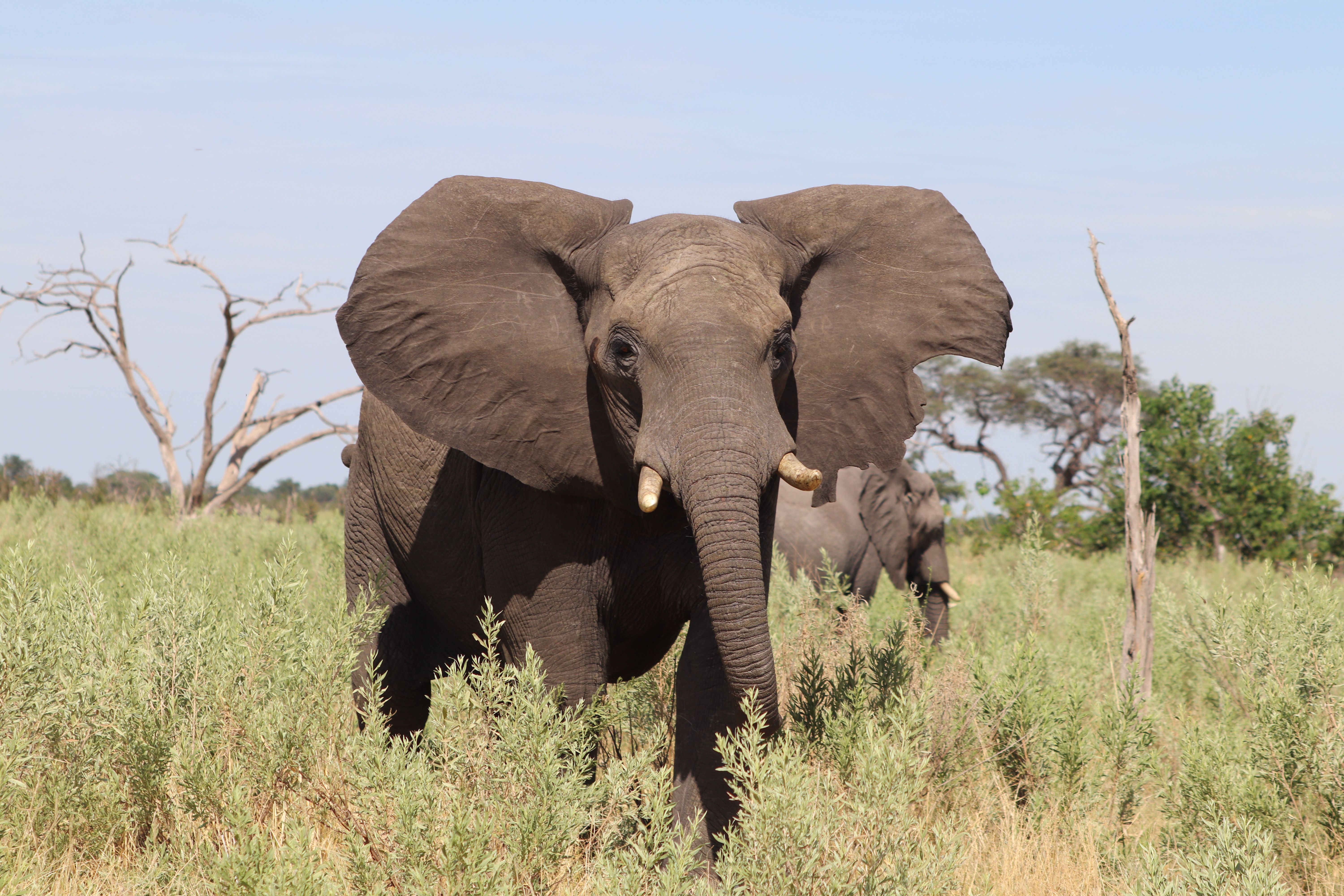
Sounds Too Low to Hear
Elephants communicate with a wide range of sounds, but one of the most important is the rumble. Many rumbles are so low in pitch that their lowest tones fall below about 20 hertz, which is under the limit of normal human hearing. Some of the higher tones in the same rumble are audible to us.
Low-frequency sound tends to travel farther than high-pitched sound, especially through dense forest. That makes rumbles a useful way for family members to keep in touch when they cannot see each other.
Listening Through the Ground
Powerful rumbles and heavy footsteps also send vibrations through the earth. Researchers have recorded these ground signals and shown that they are distinct enough to be told apart from background noise.
Scientists are still working out how elephants detect them. One idea is that pressure-sensitive tissue in the feet and trunk picks up the vibrations. Another is that the vibrations travel up the leg bones to the middle ear. Field biologists have also seen elephants freeze and lean their weight forward, as if listening through their feet.
How Far Does the Message Travel?
There is no single answer. How far a rumble or a footstep carries depends on the soil, the terrain and the amount of background noise. Estimates in published studies range from hundreds of meters in forest recordings to several kilometers in modeling work on rumbles.
Why It Matters
Long-distance signals can help elephants coordinate movements, find mates and warn each other of danger. Researchers have also suggested that ground sensors could pick up the vibrations of elephants running, which might one day help rangers spot threats in remote areas.
Related posts
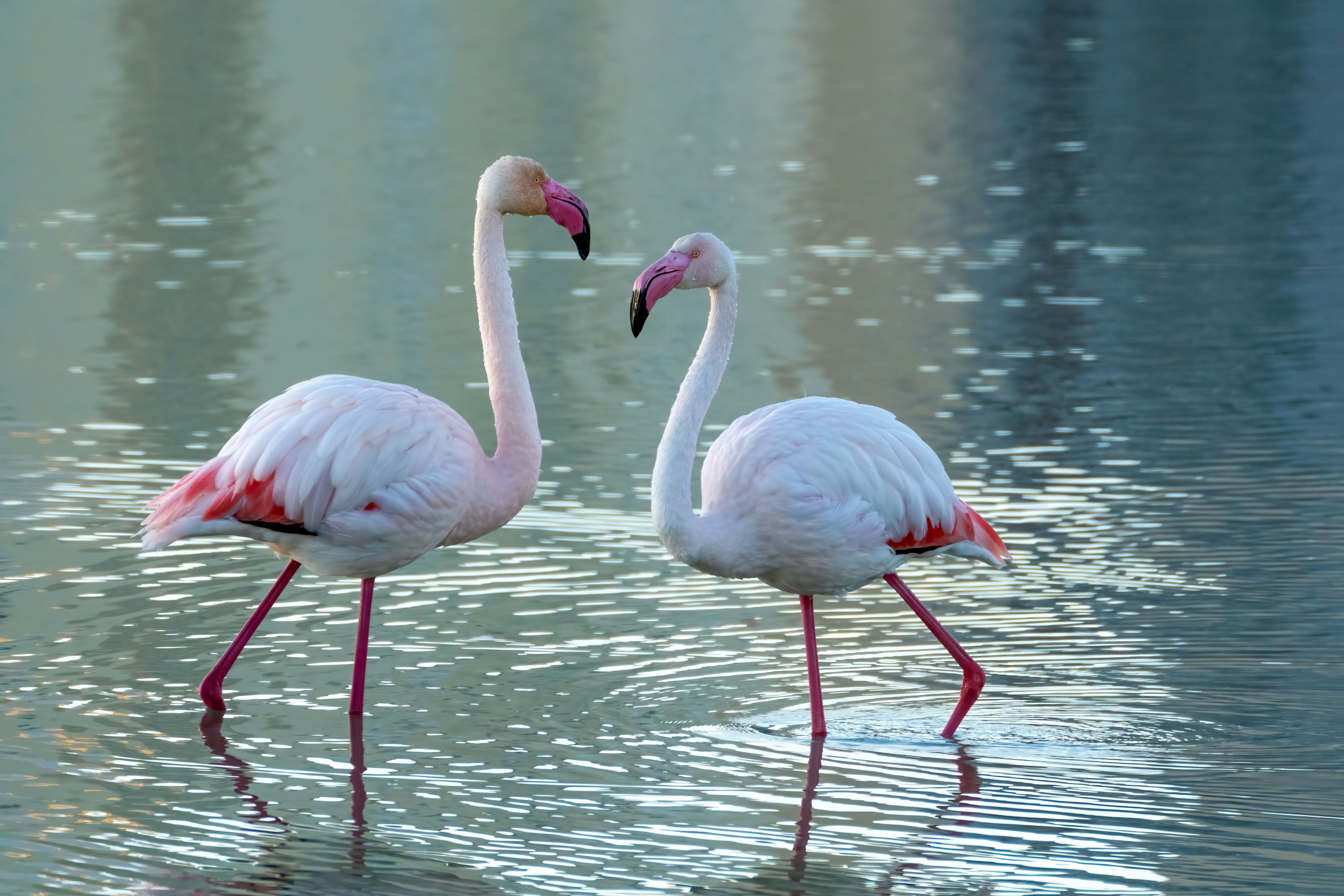
Why Do Flamingos Stand on One Leg? What Science Has Found
Flamingos can rest on a single leg for long stretches. Research on live and preserved birds suggests the pose may cost them very little effort.
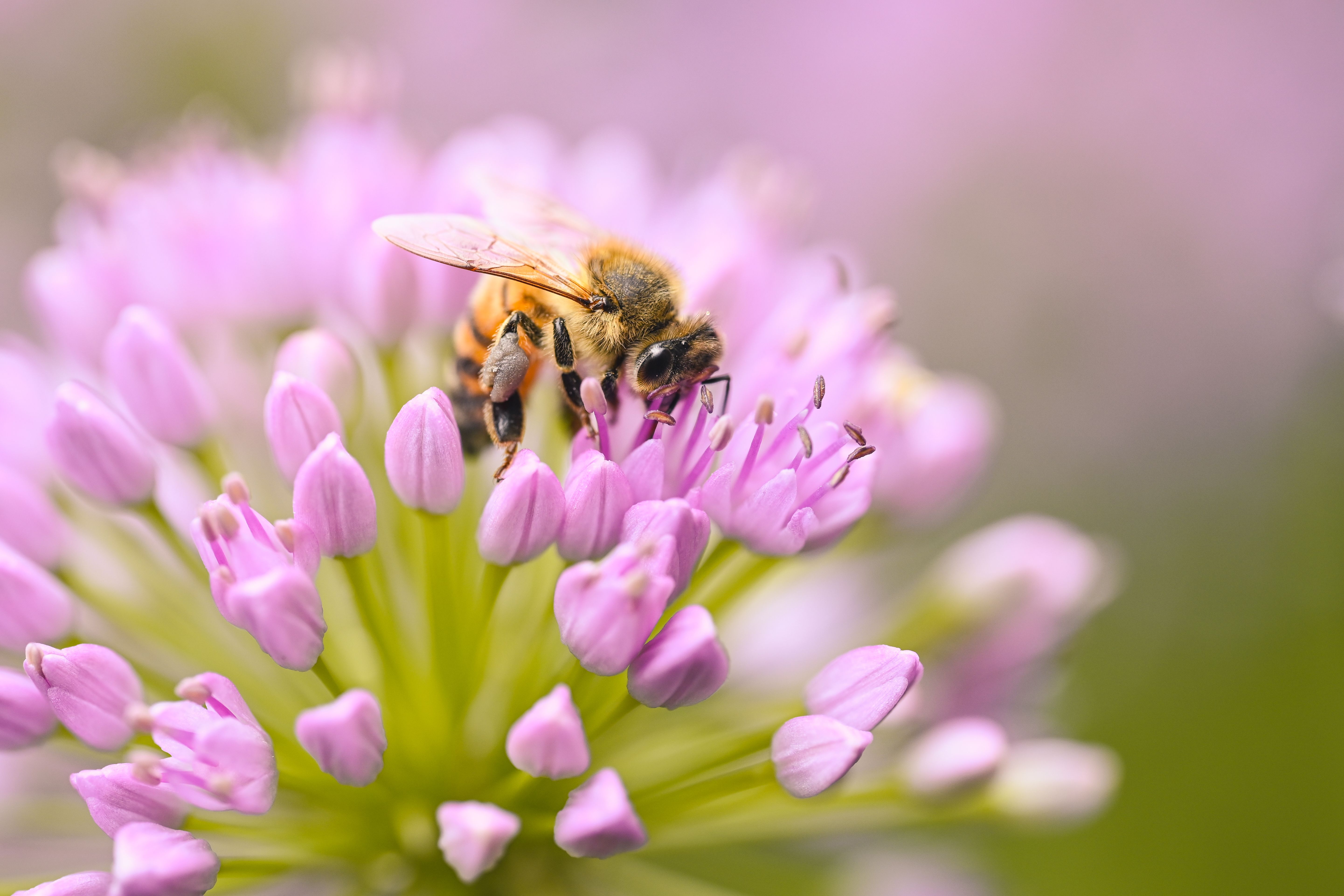
How Honey Bees Use a Dance to Give Directions to Flowers
Returning forager bees perform a waggle dance that tells nestmates how far to fly and which way to go, using the sun as a compass.

Sea Otters: The Densest Fur of Any Mammal and the Rocks They Keep
With no blubber to keep them warm, sea otters rely on the thickest fur of any mammal, plus a lot of grooming and a lot of food.