Sea Otters: The Densest Fur of Any Mammal and the Rocks They Keep
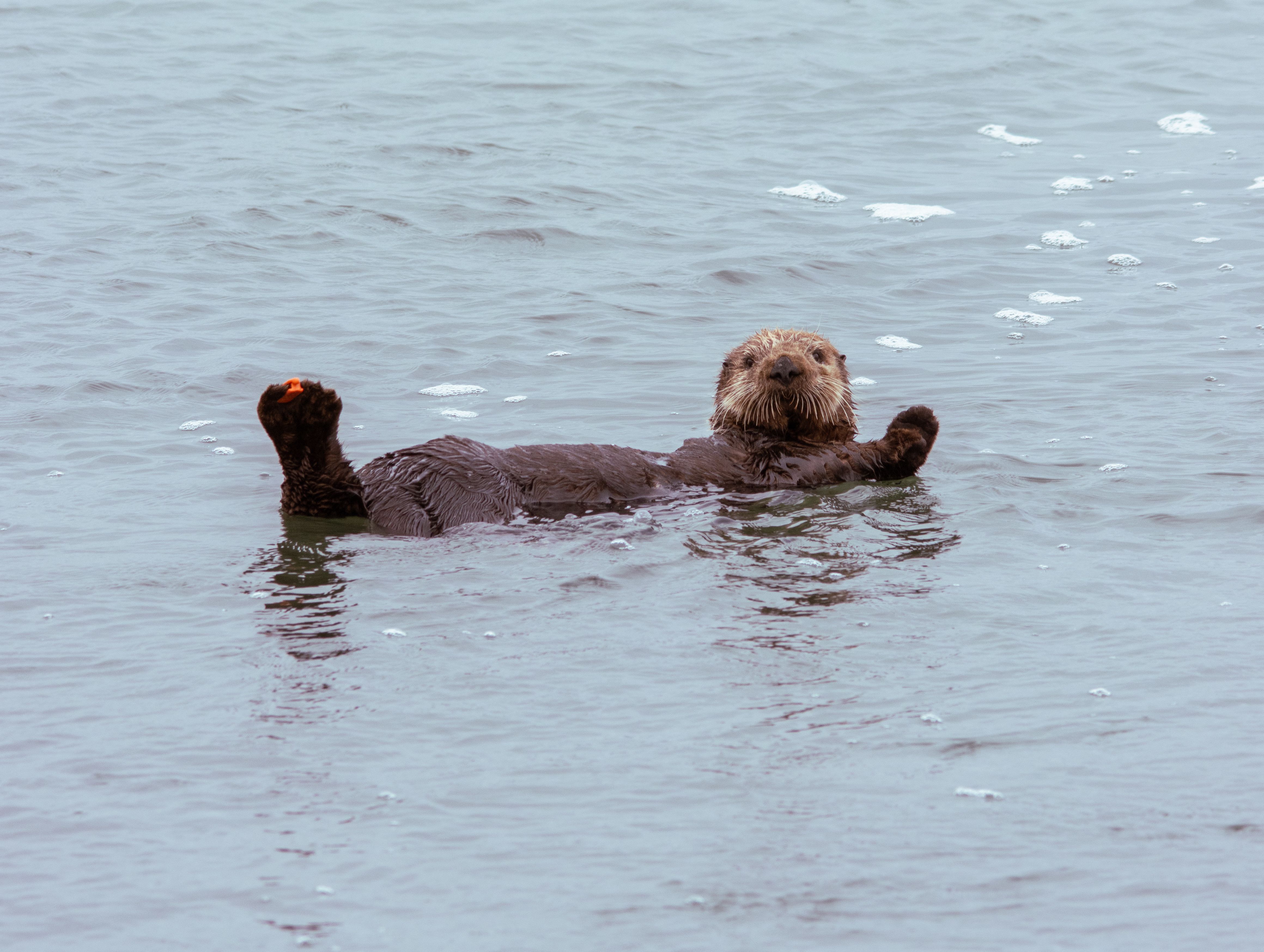
With no blubber to keep them warm, sea otters rely on the thickest fur of any mammal, plus a lot of grooming and a lot of food.
Fur Instead of Blubber
Most marine mammals stay warm with a thick layer of blubber. Sea otters have none. Instead, they have the densest fur of any mammal, with estimates ranging from roughly 600,000 to about one million hairs on every square inch of skin.
The coat has two layers: a thick soft undercoat and longer, sparser guard hairs on top. Together they trap a layer of air next to the skin, which is what keeps cold water away.
A Full-Time Grooming Job
That air layer only works if the fur is clean. Sea otters spend a large part of each day grooming, and dirty fur loses its insulating ability. This is also why oil spills are so dangerous to them: oil coats the hairs and can lead to a deadly drop in body temperature.
Staying warm also takes a lot of fuel. Adult sea otters eat roughly a quarter or more of their body weight in food each day.
Tool Users With Pockets
Sea otters are one of the few mammals known to use tools. A floating otter will often balance a rock on its chest and pound a shellfish against it until the shell cracks open.
Loose folds of skin under each forearm work like pockets, holding food collected during a dive. Some otters also tuck a favorite rock in there and keep using the same one for many dives.
A Keystone Species
Sea otters eat sea urchins, which in turn graze on kelp. By keeping urchin numbers in check, otters help protect kelp forests that shelter many other species. Their fur was once so valuable that the fur trade drove them close to extinction, and international protection began in 1911 with a treaty on fur-bearing marine mammals.
Related posts
Why Do Flamingos Stand on One Leg? What Science Has Found
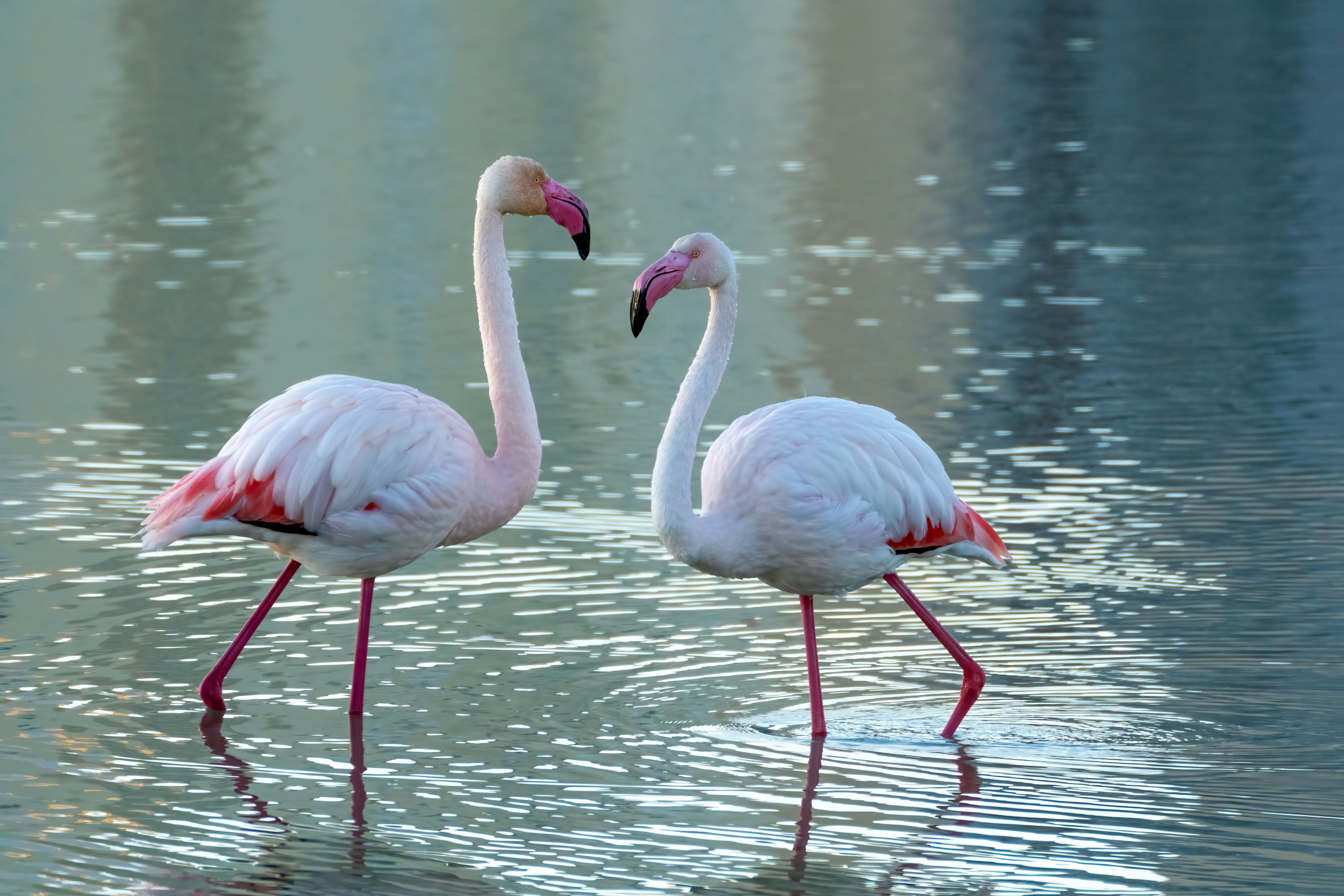
Flamingos can rest on a single leg for long stretches. Research on live and preserved birds suggests the pose may cost them very little effort.
How Honey Bees Use a Dance to Give Directions to Flowers
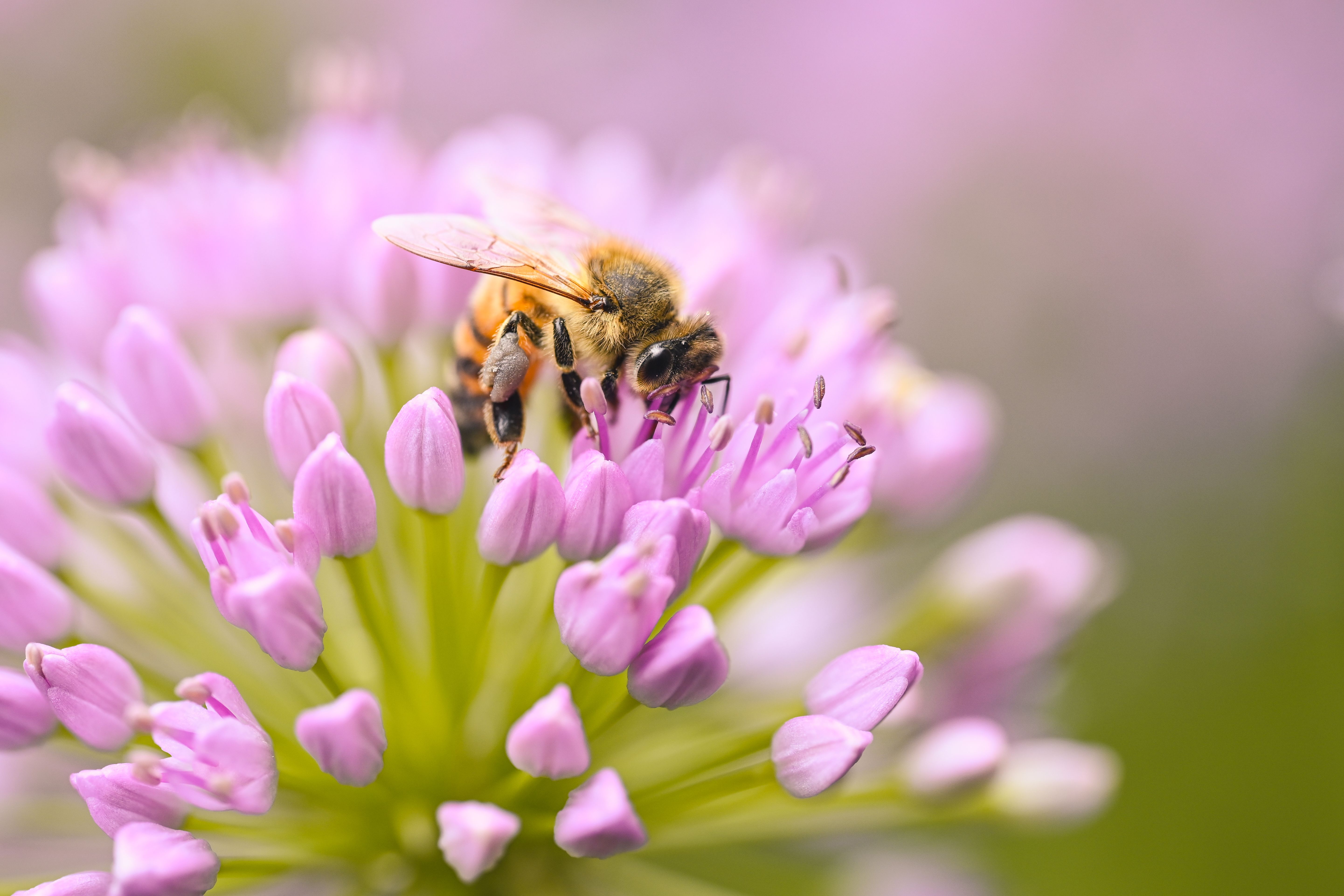
Returning forager bees perform a waggle dance that tells nestmates how far to fly and which way to go, using the sun as a compass.
How Elephants Talk Across Long Distances: Infrasound and Ground Vibrations
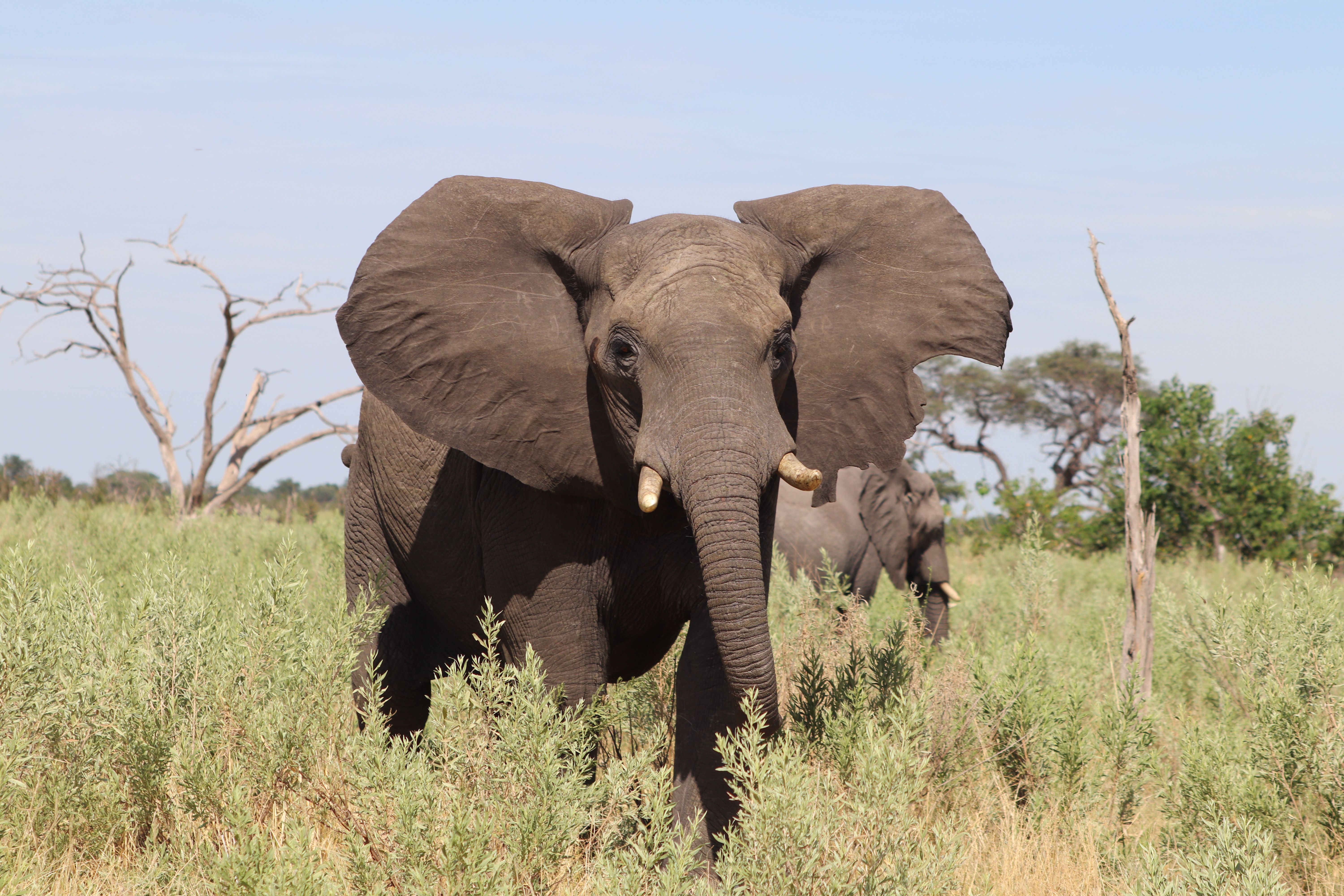
Elephants make deep rumbles at the edge of human hearing, and some of that energy also travels through the ground, where other elephants may feel it.